Technology
SHC / Galoter technology. Pyrolysis with a solid heat carrier
SHC technology is a continuous thermochemical processing based on pyrolysis. It efficiently converts a wide range of materials — from solid fuels to industrial and municipal waste — into liquid and gaseous fuels as well as chemical products, and scales to the required capacity.
Key feature
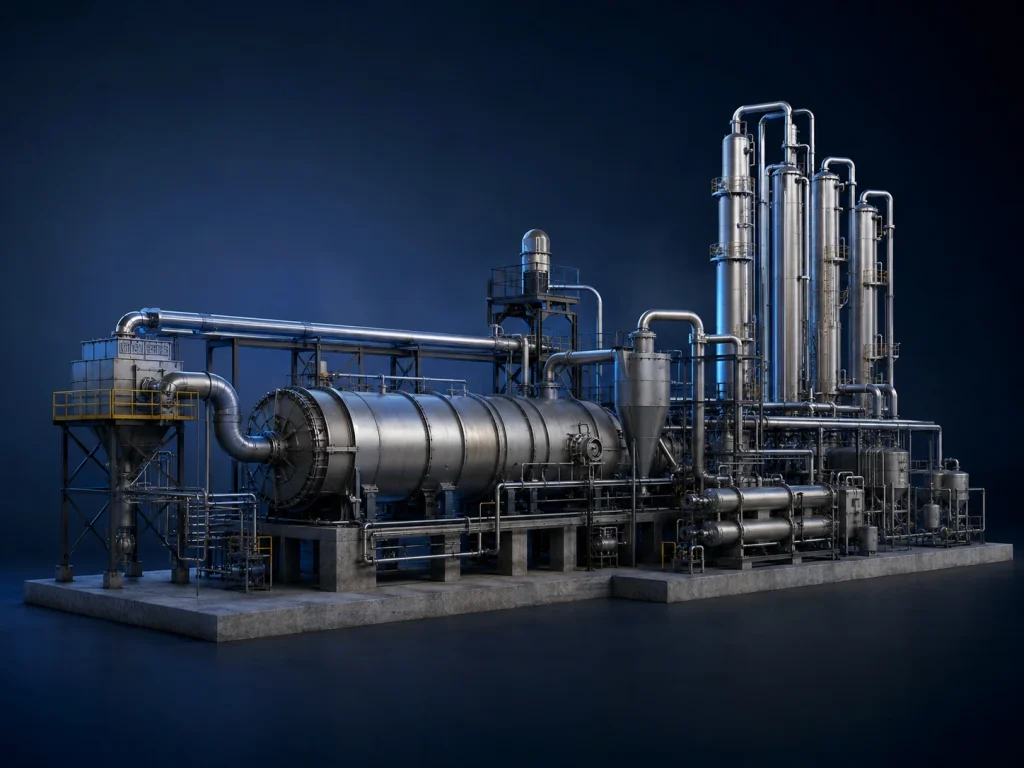
The key feature of SHC technology is the use of a circulating solid heat carrier — heated ash produced by burning the residual organic mass of the semi-coke. This approach ensures efficient use of process energy and stable operating conditions.
Principle
How the process works
Feedstock preparation
Crushing, drying and feeding the raw material into the process.
Pyrolysis
Thermal decomposition of the feedstock by a solid heat carrier without oxygen access in a drum-type reactor.
Product separation
Separation of the vapour-gas products from the mixture of the solid pyrolysis residue (semi-coke) and the heat carrier.
Condensation
Condensation of the vapour-gas mixture, yielding liquid hydrocarbons and non-condensable gas.
Heat carrier regeneration
Burning the residual organic mass of the semi-coke to produce heated ash, returned to the process as the solid heat carrier.
Plant
What the plant looks like in real life
Photographs of industrial processing plants. Published subject to NDA, anonymized.
Track record
Industrial facilities
The technology is industrially proven at operating oil shale processing plants — with a combined unit capacity of up to hundreds of tonnes of feedstock per hour.
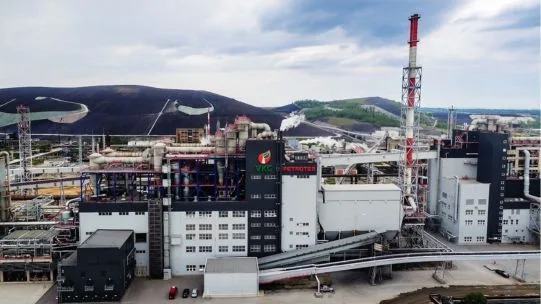
Viru Keemia Grupp (VKG) — Estonia
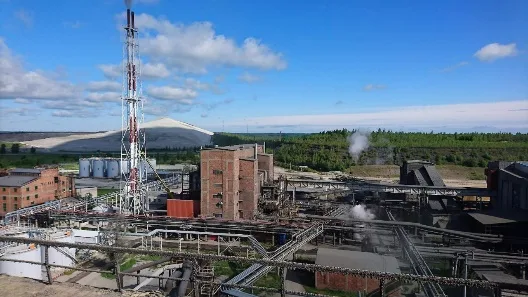
Kiviõli Keemiatööstus (KKT) — Estonia
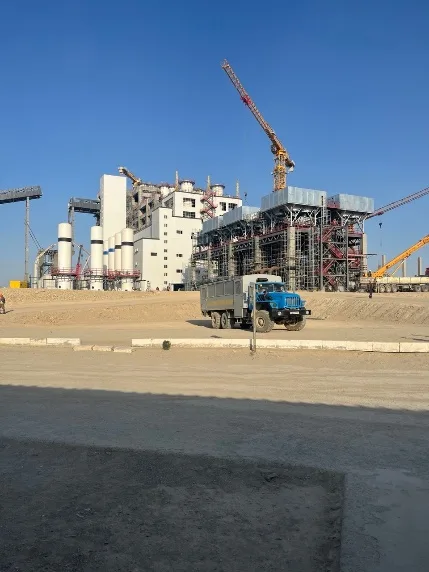
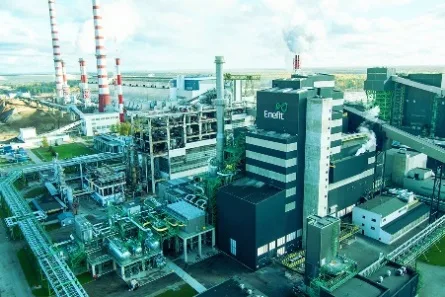
Enter Engineering — Uzbekistan
Advantages
Technology advantages
Continuous process flow and high operational reliability
Adaptation of the technology to various feedstock types and the required capacity
High energy efficiency and energy self-sufficiency
Integrated use of resources and minimised environmental impact
Applicability
What feedstock the technology works with
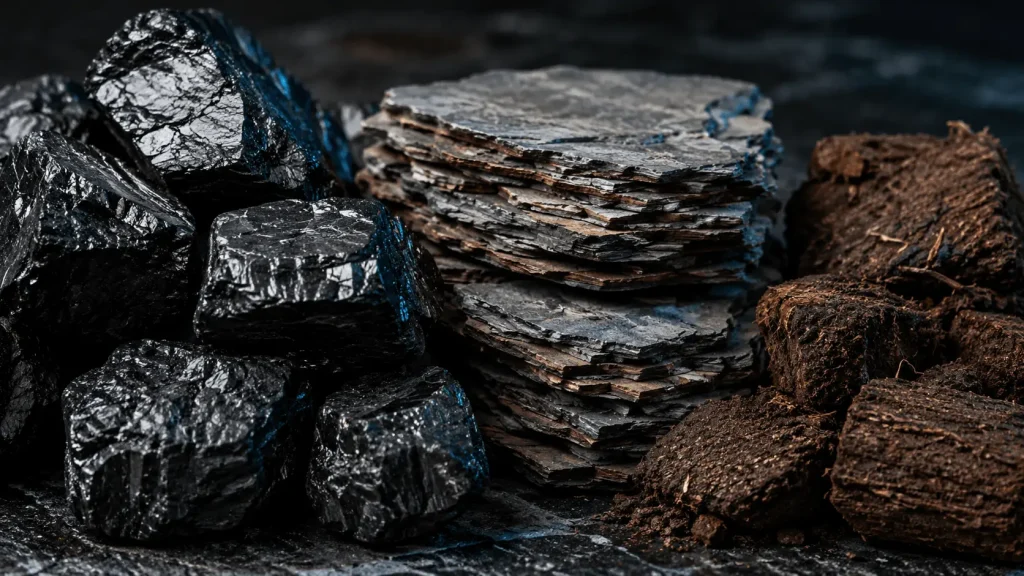
Solid fossil fuels
Oil shale, coal, peat.
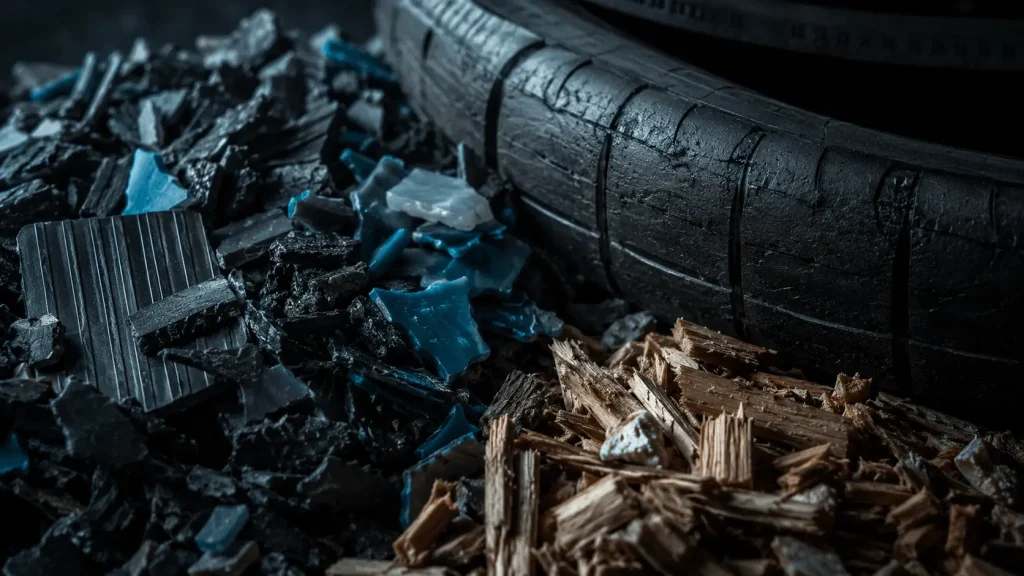
Carbon-containing materials and waste
Biomass and agricultural waste, municipal solid waste (MSW) and RDF, polymer waste including plastics and composites, rubber-containing waste including used tyres and rubber goods.
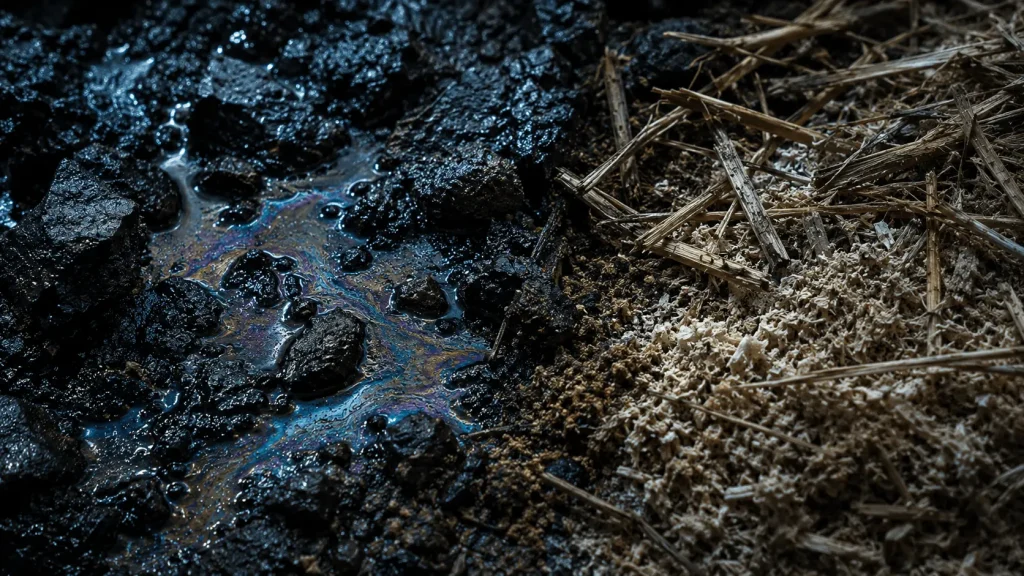
Industrial and technogenic waste
Oil sludge and oil-contaminated soils, sewage sludge, waste from woodworking and other industrial production.
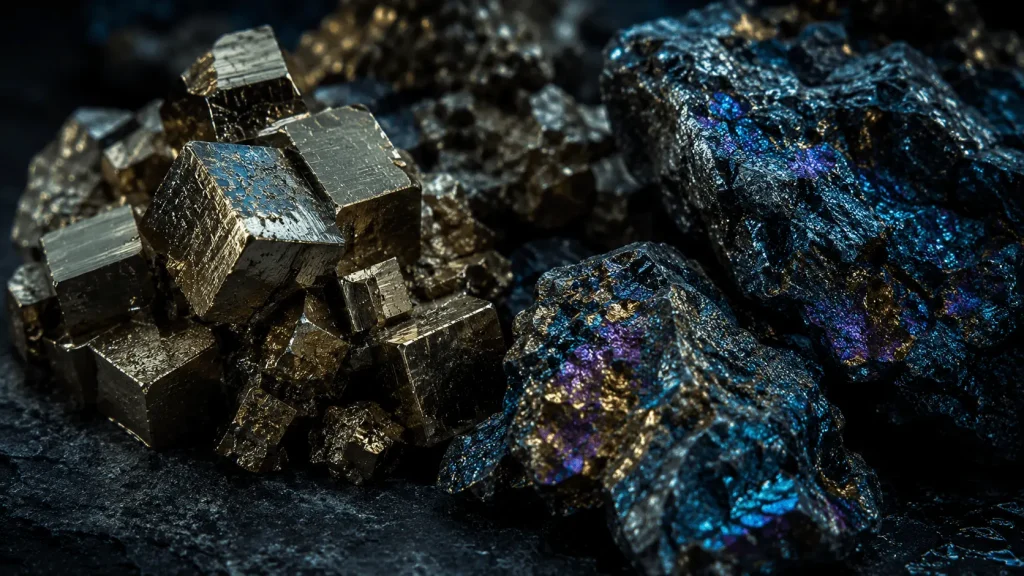
Mineral feedstock and materials
Pyrite, metal sulfides, mineral-ballasted materials and waste.
Materials
Technology presentation
Download materials
Detailed description of the technology, process diagrams and application examples — in the company presentation.